The Lear
from 1939 to Today.
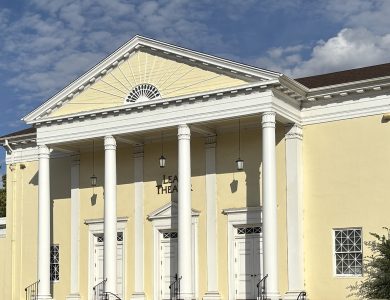
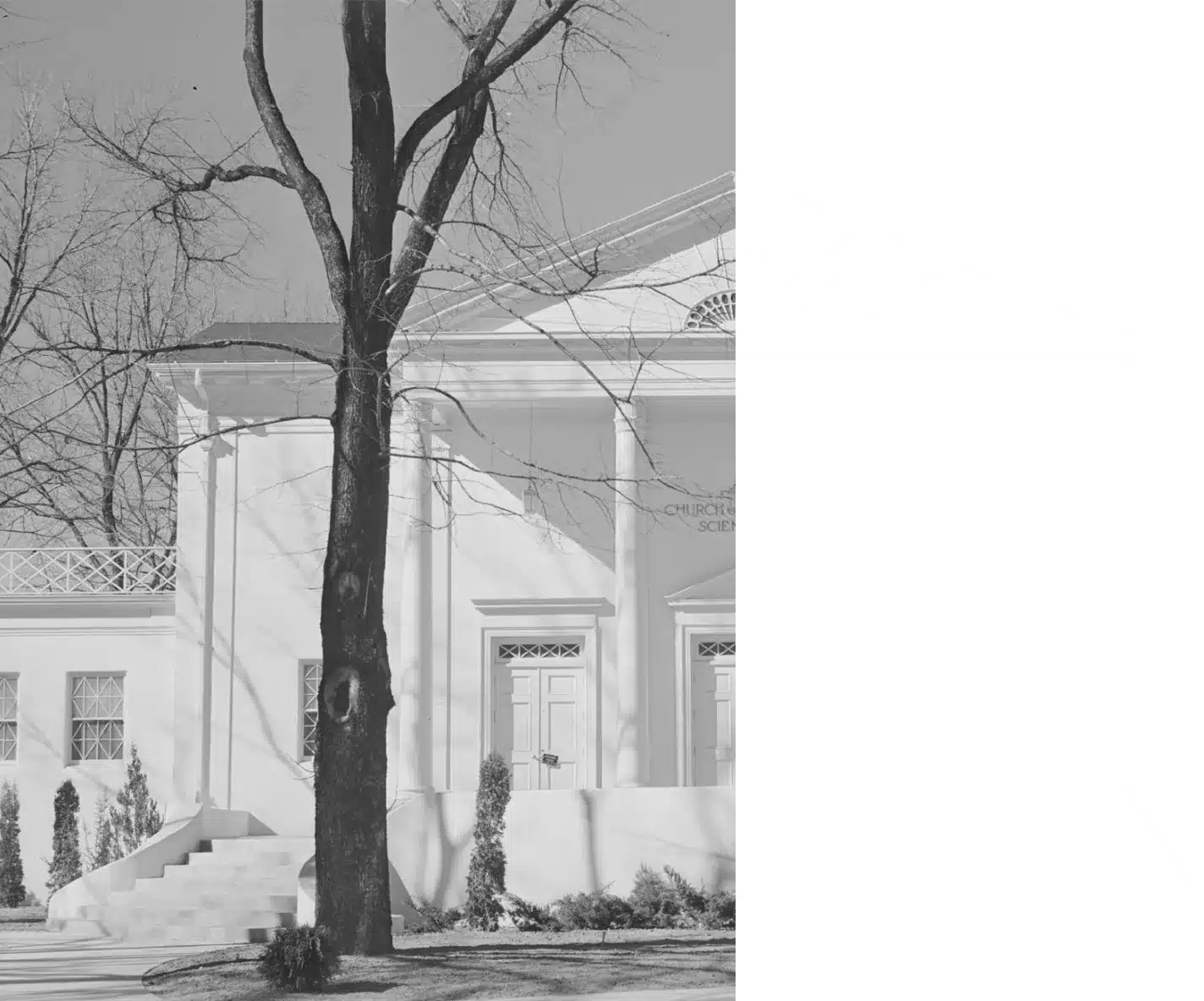
Built in 1939 as a church designed by Paul Revere Williams, the Lear stands at 501 Riverside Drive along the Truckee River. Learn about the history of the Lear on this page.
The Lear Today
How the Lear began
How the Lear began
In the 1930s, Reno’s Christian Science congregation had outgrown its church on Granite Street, now Sierra Street. Using loans, proceeds from the sale of its old property and gifts from supporters, the congregation bought land at 501 Riverside Drive, across from the Truckee River. Through Luella Garvey, who had hired Paul Revere Williams to design her Reno home in 1933, Williams was asked to design the new church. The church held its first service in October 1939 and served the congregation for nearly 60 years.
The Architect:
Paul Revere Williams
Meet the pioneering Los Angeles architect behind the Lear’s design.
The Architect:
Paul Revere Williams
Paul Revere Williams was a nationally recognized architect based in Los Angeles. He became known for designing homes for Hollywood figures, including Lucille Ball and Frank Sinatra. In 1923, Williams became the first Black member of the American Institute of Architects (AIA). He was later elected to the AIA College of Fellows, and in 2017 the AIA awarded him its Gold Medal, its highest honor. In Reno, Williams also designed homes and apartment buildings. The Lear is one of several Williams buildings in the city.
The Lear name and an unfinished theater
How the building got its name, and why the theater was never finished.
The Lear name and an unfinished theater
In the late 1990s, the congregation needed a larger space and moved to a new building. In 1998, Moya Lear, a church member, arts advocate and local philanthropist, donated more than $1 million toward the purchase of the building by the Reno-Sparks Theater Community Coalition. The building has carried the Lear name ever since.
The coalition, and later Lear Theater, Inc. and Artown, worked to turn the church into a performing arts theater. Construction began in 2000, and a stage was built around 2002. The effort stalled in 2013 before the conversion was completed, and the building has been vacant since.
Today, the Lear holds both chapters of its past: original church details alongside the start of a theater. Both are part of its story.
Then-and-now
The altar (1997) and the theater stage (ARG 2024)
A Neoclassical Revival Design
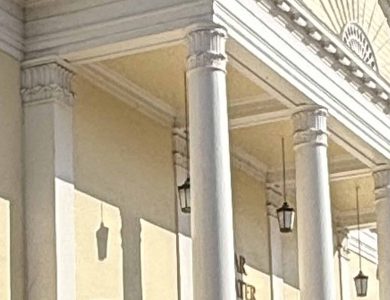
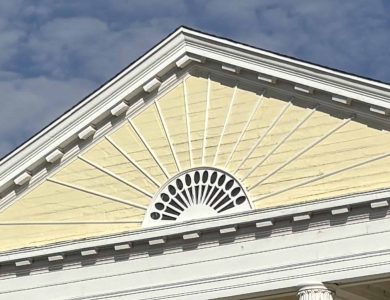
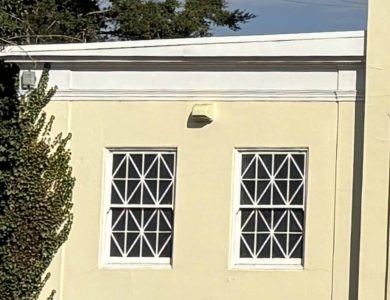
The Lear is designed in the Neoclassical Revival style, which draws on the temples of ancient Greece and Rome. It is listed on the National, State and Local Registers of Historic Places for its distinctive architecture and as the work of a master architect.


The Lear Through the Years
1938
Paul Revere Williams completes his design for the church.
October 1939
The church holds its first service.
1998
With Moya Lear’s support, a local theater coalition buys the building.
1999
The Lear is listed on the National Register of Historic Places.